Tag: book review

  • Reading Room – Series 4

    “So often, a visit to the bookstore has cheered me, and reminded me that there are good things in the world.”

    Vincent Van Gogh

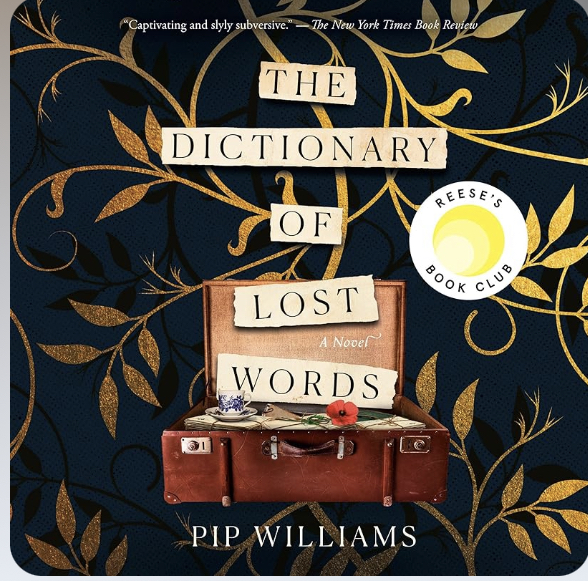
    The Dictionary of Lost Words is the story of a young girl who grows up beneath the sorting table of a Scriptorium where words were collected and scrutinized and judged worthy or discarded by a small group of learned lexicographers who produced the first Oxford dictionary. Esme is indoctrinated into a culture that cares for and reveres the written word, that understands the import of language, and begins her own collection of discarded words, those deemed unworthy due to their pedestrian nature or obsolete status…words like bondmade and other words that coalesce around the language of women, words like suffragette and cunt. William’s work is an interesting exploration of the social history of the first half of the 20th Century, including women’s emancipation and the onset of the Great War. The novel is a love letter to anyone who loves language and saveurs words, and who understands the power of written script and the importance of preserving what may be so easily lost. I am a lover of words like my father before me, he collected them like they were something to treasure and hold dear. This book is a perfect read for a bookish woman who dreams of scholarly hours and endless days within the stacks of The Bodlean Library which has a starring role in the novel – 8/10

    This book was recommended by a friend after discussing The Thursday Murder Club books. Killers of a Certain Age, as the title implies, is the story of a group of four post-menopausal assassins on the precipace of retirement. Meet Helen, Mary Alice, Nathalie and Billy our engaging, intelligent first person narrator. They are embarked on a cruise that goes very wrong very quickly and they are forced to fall back on their killer instincts. While the book offers an interesting premise and is no doubt headed for a big or small screen adaptation, it did not read as well as the Thursday Murder Club books. I found it hard to distinguish between the title characters, with the exception of the narrator, Billy…the others weren’t drawn distinctly enough, and the murky nazi-hunting “museum”, the assassins employer, which may have been a source of endless fascination, seemed almost farcial in its presentation. While the lead character, Billy, was well written and sympathetic, as was the dexter-like work ethic the assassins used as a code for killing, erasing only the morally disposable, the book reads like its arrived a little late to dinner. Flashbacks to training days and themes like the invisibility of the older woman are definate high-points in the book, but we’ve read the aged gang of adventurers story before and the writing was better. – 6/10

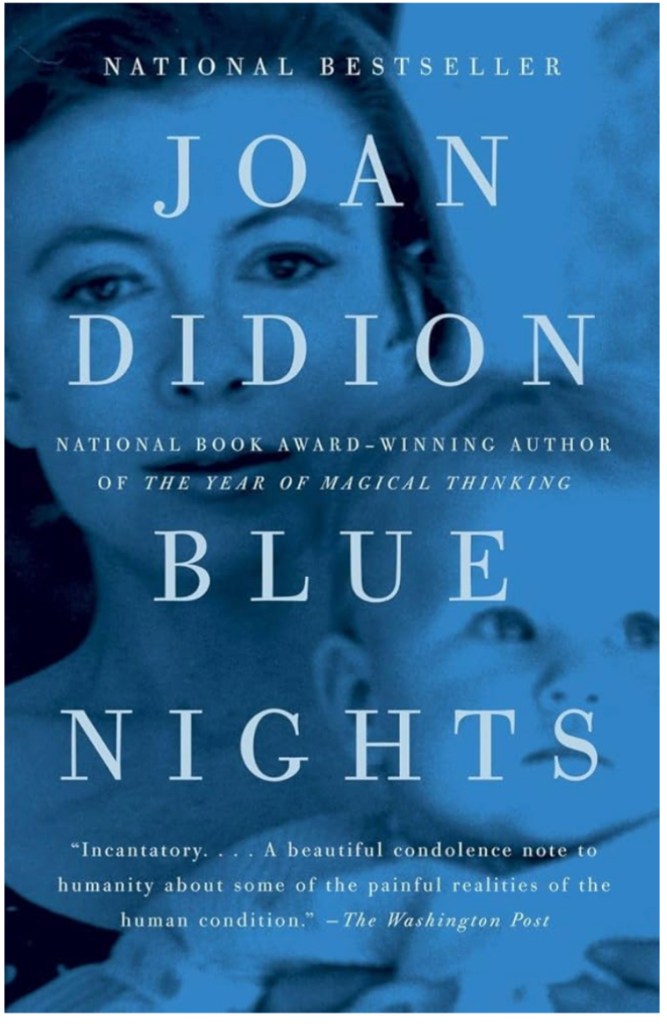
    Blue Nights by Joan Didion is a heartbreaking remembrance of the life and death of her only daughter, Quintana Roo Dunne. Didion recounts blue nights, the gloaming moments, what the French call ‘l’heure blue, “the end of promise, the dwindling of days.” The book’s subject is very weighty – what greater grief can there be for mortals than to see their children dead. (Euripides). Didion’s narrative explores what it means to be without your child, what it means to let them go, and what it is to be tasked with “protecting the unprotectable.” It invokes the terrible pain of remembered parenting, “Brush your teeth, brush your hair, Shhhh, I’m working.” It is painful and poetic and hard to look away from. It is a meditation on the scourge of depression and anxiety, the imperfect art of medicine, and the horrifying realization that we can never deserve our darling children, that we may fail to keep them safe, and that in death we may begin to forget them. A haunting read. – 7/10

    The Novice is a departure from Hahn’s usual meditative prose. It is a short work of fiction that will resonate with anyone who has lived a life and experienced injustice or unwarranted judgment. It is based on the true story of Quan Am Thi Kinh, a tale that every Vietnamese countryman is told from earliest childhood. Kinh was a woman who masqueraded as a man in order to join a monastery and is revered for manifesting infinite forgiveness. A character accused unfairly of misdoing, she endures many hardships while cultivating a spiritual life, and aquiring the qualities of loving kindness, compassion, joy and equanimity. The book is a parable for our times, a simple powerful fable that counsels us to “go home to the island within ourselves,” While the book is not my favourite of Hahn’s, I am perhaps not evolved enough to feel transformed by his simple beautiful message, at least on this occasion, I recognize The Novice is an important read, one that will stay with you awhile. – 6/10

    Copeland’s Eleanor Rigby, as the book title suggests, is a swansong to the lonely. Liz Dunne is a frumpy , middle aged, over weight, friendless redhead and the story centers around her transformative relationship with her newly found son. Written in first person narrative, my favourite, Copeland’s story is sad and funny, sometimes both at once, and explores what it means to be lonely in the modern world. “Loneliness is my curse – our species’ curse – it’s the gun that shoots the bullets that makes us dance on a saloon floor and humiliate ourselves in front of strangers.” It is a salute to the invisible among us. At one point our narrator asks if she should finish up, “perhaps you might not wish me to go any further.” But as Copland wisely suggests a little later in the narrative, “nobody’s story is boring who is willing to tell the truth about himslf.” I liked Liz, a woman who knows she has lost many chances and opportunities for new experiences and is finally ready to embrace the gift of being alive. – 6/10

    Screenshot

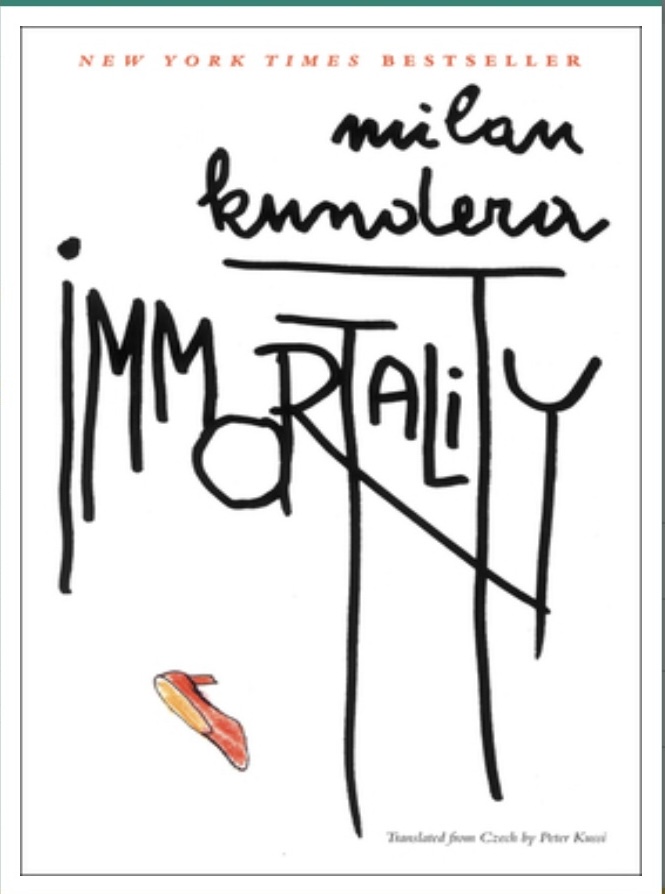
    I picked this novel up on a recent trip to Prague with my daughter. I handed her The Unbearable Lightness of Being which I read when I was her age and then grabbed a copy of Immortality for my little old lady in waiting library. The story held great promise. Agnes a little old lady herself, living life in a tenured marriage on the mean streets of Paris, revisiting her childhood and coming of age including former love stories and complex family relationships…pour me cup of tea and lets get lost together I promised myself. Sadly the book did not deliver with its incessant back and forthing to a classic love affair between Goethe and Bettina. A running parallel story that I was, no doubt, not clever enough to enjoy. I wish Kundera could have contented himself with a simple contemplation of death in real time, less high theatre, metaphorical references, more…death is coming and do I want to spend eternity with the people I made a life with here, the interesting idea of the world as an ad agency, or how about “hypertrophy of the soul”, or maybe the changing nature of time, just a few of the loftier notions he introduces…aren’t those themes sufficient to build a novel on? Overly academic and ambitious Kundera…we know you’re smart, you dont have to reference every page…you told us so much and showed us so little, and left us with nothing to keep. Cardinal sin…you broke your contract with the reader. –2/10

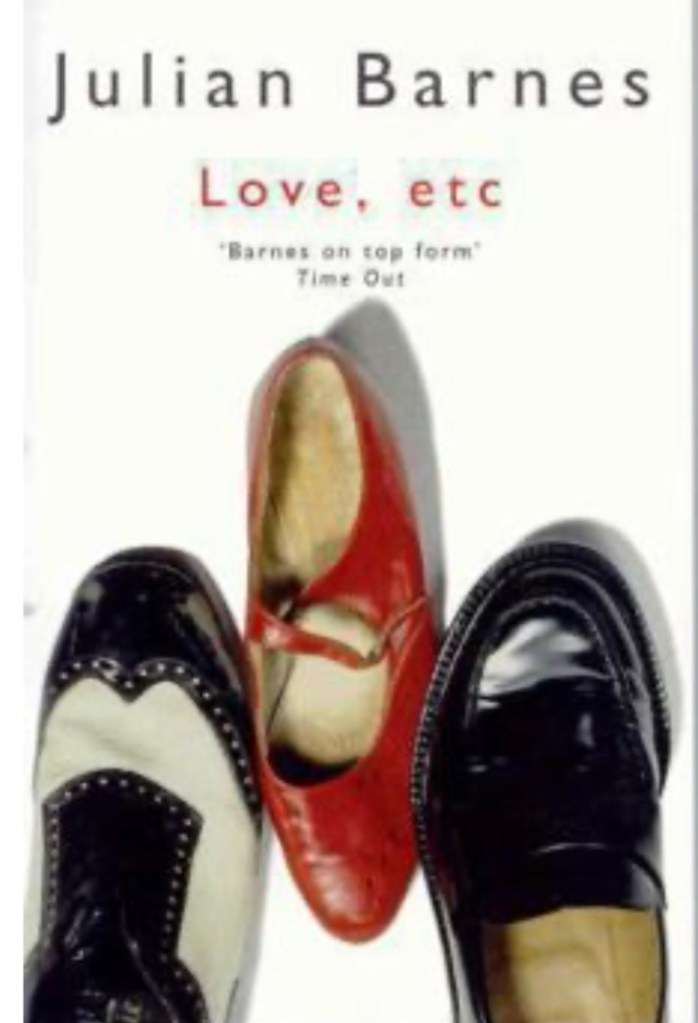
    Love etc. is a dark ad twisty menage a trois between Gillian and husband number 1, steady, reliable Stuart, and husband number 2, witty, entertaining, out of work, Oliver. The story is told in the voices of the three principles, with a few fifth-business cameos inserted for respite care of the reader I imagine. The three stars of the novel tell their truth without interruption or the contamination of conversation. The book is a sequel to Barne’s eariier work, Talking it Over and reads a lot like a one man play, spoken in three distinct voices. Perhaps I might have enjoyed the work more if I had read its forerunner first, but I doubt it somehow. I found the characters very real and clever and charmless, and the narrative full of pithy one liners like “lets just fall into bed and not have sex.” Barnes talent is without doubt, he expertly conveys his weighty themes – the inexplicable sadness of things (“I want mommy to be more cheerful”), the advantage of age and the priviledge of not explaining everything (“you are very naive about us, the old people”), and the last gasps of a used up marriage (Do I still love Oliver? I think so, I suppose so. You could say I’m managing love”). I applaud Barnes mastery and his keen eyed take on the larger life questions and still I did not enjoy this work and cannot recommend it. – 5/10

    Screenshot

    Thurber’s book of essays and amusements is a collective look at the imperilled english language, disdained and disfigured in the mouths of users and abusers of the spoken word. The well known humorist invites readers to “urge up a footstool, loosen your stays, and saucer a scotch,” as he makes fun of our child centred culture, warning us to watch out for “the darlings at the top of the stairs.” Thurber’s work is a call to arms for phrases like “ya know” spreading like viruses, and his essays read like a fairwell speech to proper diction or the decline and fall of the King’s English. He accuses the nation of breeding a band of “tired teachers and apathetic students.” Other topics include the decline of comedy in our time, the poor standards of pronunciation (“mindless, meaningless mumbling”) and other verbal atrocities like the smokescreen of political jargon, and the overuse of idioms. You might have to be a bit of a language geek to get your money’s worth on this read, the comedy is niche, but pleasing if wordplay is your cup of tea. – 6/10

  • In Conversation with Margo Beckwith-Byrne

    At the grand dame age of 65, Margo Beckwith-Byrne self-identifies as a ‘little old lady’ proper, although her trim, athletic figure and sporty lifestyle are characteristic of a much younger woman. An avid tennis and pickleball player, Margo is a spitfire that punches well above her fighting weight in any given scenario. She is confidant and decisive, and a natural born manager of men. On the personality tests that assign an animal archetype I’d guess Margo is more at home in the shark tank than the petting zoo. She is spirited, and salty, and strong…she’s had to be strong. Widowed at 42 when her husband went out for a swim on a family vacation and never came back in, she became a single working mom overnight, her kids were then 2,5 and 7.

    Equipped with a B.Ed. in Home Economics, Margo taught for two years in Labrador City before transferring her skills to work more in keeping with her natural aptitudes and temperament. She became a boss.  With the mind of an engineer, and an innate understanding of process and efficiency, Margo started her career in business, first at the Saint John General Hospital, where she very quickly assumed a supervisor role, and later in HR, first at Fundy Cable and later at Labatt Breweries, as an HR Manager.  Her last job was as Senior Vice President at Wyndham.  She was downsized at 54, which today she describes as a gift, one she did not recognize at the time.  An astute businesswoman and investor, Margo never worked another day, and is a poster girl for how to retire well.

    About a year ago, Margo visited the ER with what she describes as stomach discomfort and was eventually diagnosed with stage 4 colorectal cancer. Since then, she has undergone surgery, and chemotherapy which she says is “the most miserable thing you could ever do.’ Margo tells me she is lucky because the cancer she has, MSI-H, is rare and responsive to her current immunotherapy. Her cancer-versary is July 31st.  She shares that the hashtag for colorectal cancer is ‘KFG…Keep fucking going.’  

    Margo speaks with the clear-cut, resolute voice of a woman who has found her truth, and in the process of documenting her wisdom, I caught myself re-evaluating a little of my own inner engineering. I am grateful for what she shared with me on a sunny afternoon, at her beautiful home that overlooks the sea.

    Tell me your life story in seven sentences or less? 

    I was born a Saint Johner and I grew up wanting to leave.  I had children, and then I wanted to come back.  I went to school first at St. FX and then finished at UNB Fredericton … I really liked sewing, I liked making clothes, I didn’t like cooking so much, but I ended up with a B.Ed. in Home Economics and after that I knew very quickly that I didn’t want to teach.  What was important to me at a young age was financial stability and so I spent the rest of my life trying to achieve that. There were lots of twists and turns but ultimately, I spent my whole life believing that happiness and contentment lay in things outside of me, and now I realize I was wrong.  Not everybody is afforded the knowledge that it’s not the external circumstances but rather the internal…because maybe they don’t achieve as many of their material goals, and I was very lucky to acquire mine, only to find out it doesn’t work. Some people still think it’s that car they’re saving for that will bring you happiness… I know it’s not that. 

    What is the best thing about getting older?

    I know it’s cliché, but it’s not giving a fuck about the good opinion of others. Hands down… the best.  Fuck you all!

    What is the worst thing about getting older?

    Your body breaking down. Not being able to physically do the things that you used to be able to do.

    If you could retain or retrieve one quality from your youth, what would it be?

    Let me flesh it out this way. I wish when I was young, I had had a better sense for how good I really looked.  I spent a lot of time in my youth wrecking vacations, get-togethers, events, thinking about my weight. I resent that time now. The focus growing up in my house and with friends was often about, ‘Are you fat or are you skinny.’  And the thing is, when I look back at my life, I was never fat, but it’s all relative.  Your appearance was more important than any kind of achievement.  I still have high school friends who’ll ask, ‘is she fat or skinny’. I was like 125 poinds and I would be obsessed with my weight.   Recently when I had to weigh in for chemo, the nurse said, ‘that’s great you haven’t lost any weight,’ and my natural thought is well fuck, and I’ve been exercising my ass off.  I guess I’m answering the question in reverse, but I’d like to go back and tell my younger self that no matter what you weigh or how you look, you’re still beautiful. They say youth is wasted on the young.

    But what do I wish I could retain, to answer your original question, my memory… I wish I didn’t have to write everything down to remember it.  But I guess the flip side of that is I can be humbled now because fuck…I can’t remember anything. Some days even with the ball in my hand, I can’t remember who’s serving.

    What’s the most important lesson you’ve learned so far?

    Oh my god… again it’s going to sound so cliché but, happiness is an inside job. It has nothing to do with your external circumstances. I’ll give you an example, someone came to my house and looked out at my view and said, ‘oh my god you must be the happiest person in the world to be able to look at this every day,’ and I looked at them and went, ‘are you out of your fucking mind?’ because ‘wherever you go, there you are.’  I don’t strive for happiness…happiness is relative and the word is overused.  I strive for peace and contentment, and I recognize that it’s a moment-to-moment thing, and the minute I move past where I’m at, to the future or to the past, I lose the present, and that does me no service, nor is it of service to the people around me.

    The other interesting thing that I’ve learned, and I’m going to try and not come off all Christian when I say this, but so many things in my life I have orchestrated, worked hard towards, and wanted so badly, that achieving the result was all I cared about, with the belief that if I achieved that result I would be happy. Things would be good…I’ll finally have what I wanted.  But the things that have brought me the most joy in my life, were unexpected things that I did not orchestrate.  So, I’m gonna say it two different ways… now, I don’t try to determine how the day will unfold… I let the Holy Spirit do it, or to be more universal, I let the universe decide because to quote the Desiderata, “No doubt the universe is unfolding as it should.”

    Do you have a favourite quote?

    “The great way (life) is not difficult for those who have no preferences.” (Seng-ts’an, the 3rd Chinese patriarch of Zen)

    Or Michael Singer, who I love, his take on it is “Life is not difficult for those who prefer everything.”

    Let things come and let them pass through. It’s resistance, our free will to resist, to hold onto all that stuff, that’s what affects us and causes pain.

    Do you have a favourite word?

    Oh, you know I have a favourite word, ‘Fuck.’  It’s so versatile, it is the most versatile word on the planet, and I like it even more that it’s harsh and it’s disapproved of. 

    Describe your perfect day.

    You know I thought about this, I thought about this long and hard, and I don’t have one, and I’ll tell you why. My mother said something to me years ago and I never really understood, but I do now. She said, ‘I am only as happy as my unhappiest child’ and I thought about that and thought, oh my god, she’s right, and no matter how I try to separate myself from the lives of my children in a ‘they’re on their own journey…it’s not my journey…they need to experience whatever they experience and the universe is there to teach them,’ it’s a lifelong lesson for me.  But if you want to know what I love doing everyday- it’s playing a racquet sport and knitting.  I think for me it’s like working a Rubix cube or something…it’s a puzzle. When I’m playing tennis, every game is fresh and different and challenging. When I’m knitting, I can’t knit the same thing over and over again because I’d be bored out of my mind. I like a challenge, and I like to keep my hands busy. Also, I guess I better say this in case my kids read this, I love spending time with my grandchildren…preferably without their parents around.

    If you could have tea with anyone, real or fictional, dead, or alive, who would it be and what would you talk about?

    That would be Anthony De Mello.  I discovered him in 1992, after he died, in 1987. He wrote a book called Awareness. I had been reading Wayne Dyer, but De Mello took me up to a whole different level.  He was a Jesuit priest who woke up one day and thought, the Catholics don’t have all the answers so he incorporated Hinduism and Buddhism and every other ‘ism’ that you could possibly imagine and was basically the first person who helped me understand that it’s all the same.  All religions, at their core, they’re all the same.  And I read his book a million times and gave it to as many people as I could find.  When my husband, George died, De Mello was instrumental in getting me through it all.  It helped me understand the cosmos on a different level.

    We would talk about how he got to where he is, his whole philosophy of life, death, and everything in between.  Now that he’s dead, I’d ask ‘How’s it going on the other side?’  The book, Awareness was released posthumously, it’s  just snippets from talks that he had, and it gave me a whole new lease on life, a whole new way to experience joy in ways I didn’t understand before and it started me on a journey of self-awareness.  I would love to know how he got there.  Here is an example of a story that he told.  He was a Jesuit and a professor, and he travelled extensively, and he was in a rickshaw somewhere and the guy pulling him had TB and had just pre-sold his soon to be corpse for science, for the sum of 10 dollars American. De Mello wrote that the driver was a happy man, and thought he himself, was miserable, always complaining, and so he asked the man why he was happy, and he said, ‘well, why wouldn’t I be, what’s not to be happy about?’ And for De Mello that was a beginning of understanding.

    Tell me three things that bring you joy.

    My grandbabies, my sports, and my kids. 

    Name a guilty pleasure.

    Guilty…I don’t feel guilty about stuff… ever,  so I can’t really think of one.  Maybe lame TV, I mean I’m watching Agatha Raison right now which is really poorly done but set in the Cotswolds… so I don’t care. I like lame tv and lamer murder mysteries and I mean really lame, like Midsomer Murders lame…because I can knit and not pay attention.

    Do you believe in life after death? What does it look like?

    I certainly do, but not in the way we experience it.   Do I think that the avatar Margo goes on? No.  Do I think the consciousness that is watching Margo as she goes through life, the consciousness that neither lives nor dies, continues…yes I do. When I wake up from a dream sometimes, I really have a hard time trying to figure out whether it was a dream or reality.  Sometimes it feels like real life, starring the Margo avatar, the life that we think of as reality, is actually just another kind of dream.  I believe that when we die, we just wake up and go ‘God, that was a rush, what was that about?’

    I remember watching some three-year old’s get into a fight and I remember them being upset and thinking…that’s just kids.   Well, that’s how a higher consciousness is likely looking at us and thinking oh, that will be over soon, don’t worry about it.  I mean how can you possibly believe and take seriously anything happening on this planet when you know that there are billions of other galaxies and multi verses… and you’re gonna take this seriously, I mean, come on. I always thought if Merle Haggard’s mother died when he was 21 and in prison she would have died thinking she was a failure as a Mom.  Ultimately, he ended up a rich, country western singer. Why worry about kids…you don’t know what their journey is gonna be.

    What does life after death look like…It’s impossible to imagine. When I look up at the stars on a really clear night, I say I’m not even gonna try to figure it out. I have no frame of reference. The Buddhists have a saying, something like ‘when the Sage points to the moon, all the idiot sees is the finger, or something like that.

    What would you like your eulogy to say?

    I don’t want a eulogy at all.  I’m not interested in the traditional experience of death. I am not arrogant enough to think that anything I say or do will matter anymore than it did when my great great great great great grandmother said whatever she said. I mean the framework that humans have established, the goalposts for life… buy a house… go to school… all that stuff is just a concept that we all agreed on.  It’s like money, money is only worth something because we’ve agreed that it does, and assigned it a value, but if money means nothing to me now, then you saying it has value is meaningless to me. 

    I never understood Jesus in the desert, when the devil comes to him and says you can have castles and all the money you want and Jesus goes, ‘yeah, no thanks, I’m good’.  I never understood that.  Now I get it.  Because no matter what you get…a big house…a fancy car…then you’ve gotta work your ass off to keep it and worry that its gonna go away. So instead of it being something to aspire to, it’s a thing that loses its joy.

    One of my favourite quotes from when I was in leadership is, “Of a great leader they will say, we did it ourselves.”  So, if I shaped anybody, or if I influenced anybody, it wasn’t because that was my intention.  If they got something out of anything I ever did, power to them, but that was not my intention.  I’m just doing my dance and if other people benefit by my dance, good for them, even if all they’re saying is ‘I hate that dance.”  I never ever wanted to be a leader, but I certainly was someone who wanted to control things, and those are two very different things. It’s funny, every now and then my kids will say, ‘you were a good mom,’ but ten years ago when they were teenagers, they were saying something else entirely…it’s all relative, and it’s all irrelevant.

  • Reading Room 3

    Sally Rooney is a favourite writer, maybe more than a little old lady in waiting should admit. Her characters are brilliant, ruined twenty somethings who overthink their way into clinical depressions trying to outrun their Irish childhood trauma. Rooney’s writing is fresh and smart and made from the modern gestalt. The Observer in their review of her latest novel, suggests there is no better author at work today.

    Beautiful World, Where Are You is essentially a correspondence between Alice, a novelist, nestled in the Irish countryside, freshly arrived from a psych ward, and her best friend Alice, an underpaid intellectual living in Dublin. They write about their relationships, and their work, and the state of the world they live in, “standing in the last lighted room before the darkness, bearing witness to something.” The book earns a high rating from me for the sex scenes alone (I’m imagining you making note of the title now). I’d rate the story even higher, I believe, if Rooney was my contemporary, perfectly capturing the age my children are living in now in which “the easiest way to live is to do nothing, say nothing, and love no one.” Her characters are “untouched by vulgarity and ugliness” and looking for moments of “something concealed …the presence at all times, in all places, of a beautiful world.” 8/10

    Screenshot

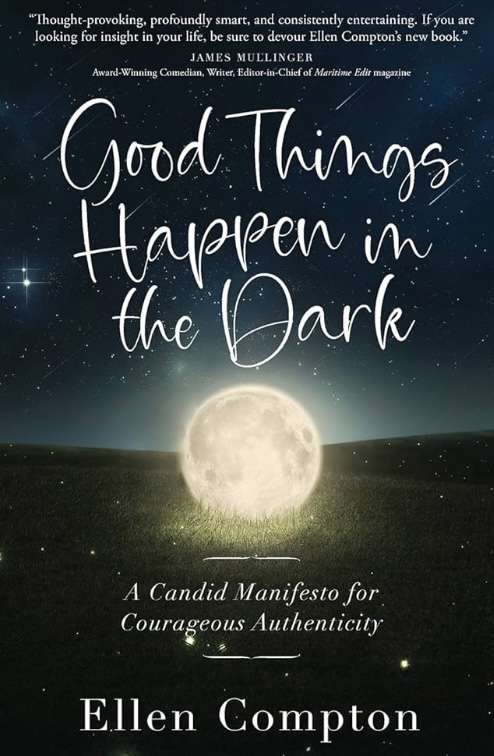
    I picked this book up at a favourite design shop uptown last winter. I liked the title and her chapter headings had quotes from writers I admire like C.S. Lewis, Anne Lamott, Carl Jung and Pema Chodren. I believe the author is local, a Maritimer, which makes my less than glowing review a bit more uncomfortable. While I appreciated the author’s true to life anecdotes and the general premise of her book, that bad things lead to growth and a more evolved self, I hated her God-squad vernacular and her overly familiar tone. I liked the road she is taking, I just didn’t love her running commentary as she journals about her boundaries and her conversations with her God. I applaud her vulnerability, I abhor her candor. 2/10

    Screenshot

    I’ve read enough Kate Quinn to understand that she is a no fail formula story writer. She creates strong period pieces, in this case 1950’s Washington in the heart of the McCarthy trials, when the rights of women were predicated on their status as wives and mothers, where reputations were guarded, and romances were discreet, and every woman held a secret in her wasted heart.

    The Briar Club is the story of a supper club in a women’s boarding house that brings together and bonds a motley crew of women ranging from widows and war brides, to single moms, and civil servants, a mobster’s moll, an immigrant artist, and an injured baseball star, to name a few. Quinn captures unique, compelling narratives, drawn and crosshatched by a master story teller who showcases our social history, as seen through the eyes of women, our stories, lesser known and more delectable for their subtleties. 7/10

    Stella Maris by Cormac McCarthy is a unique story, intellectually challenging and structurally unorthodox, it is essentially the documented therapy sessions between a brillaint twenty year old mathmatician and her psychiatrist in 1972 when she voluntarily commits herself to a psych hospital as she processes the death of her brother, Bobby. With a history of paranoid schizophrenia and suicidal ideation, this is not her first visit to Stella Maris hospital, but her first conversations with a new therapist who engages her in a game of cat and mouse that makes a voyeur of the reader and keeps our attention despite the challenging sections that review the magic inherent in advanced math. The rewards are exponential as we meet her chimeras, the highly constructed hallucinations only she can see, and follow the “My Dinner With Andre” conversation that swings back and forth in the space between philosophy and quantum mechanics with cameos from Wittgenstein and Topos Theory that transport you to the edge of another universe. Stella Maris is a master work of intricate ideas and an absorbing examination of the “billion synaptic events clicking away in the dark like blind ladies at their knitting.” Warning – this is no beach book. Have wine at the ready for the deep thoughts aftershock . 8/10

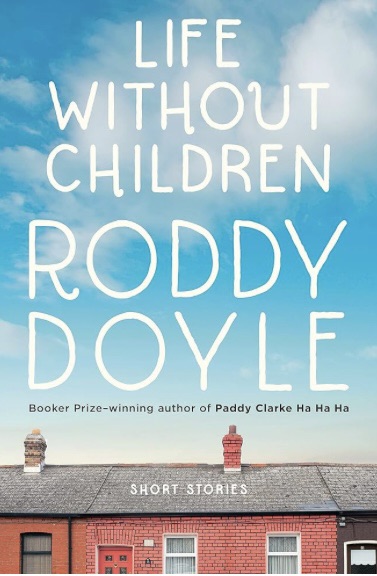
    Doyle is a delight to read on any occasion but Life Without Children, a collection of Corona stories, is truly superb. His eye for the everyday detail distills something true and generalizable for every reader who anxiously sang the Happy Birthday song while washing their hands like surgeons, and danced the supermarket side step, or binged their way through the Netflix scandi-noir series, and social distanced themselves out of work and relationships.

    Doyle’s brilliant story collection looks at the masks we wore, discarded, like “underwear on the footpath“, and examines lives under lockdown, “that ripped away the padding“, with “no schedule, or job, no commute, nothing to save us.” His characters explore their smartphone addiction, and earworms, and engage in real conversations, “the tricky ones that stray from the usual.”

    Doyle’s book beautifully frames the silent, deadly days of our very recent past when Covid hemmed us in, he shows us our fragility, our interdependence and our essentialness, and will make you laugh until you cry. 8/10
    Pema Chodren is a Buddhist nun and meditation teacher who I have read for many years, including her meditation series which I highly recommend. Taking the Leap is a series of teachings designed to help you stay open to the many vexations of human life and build a space or pause within highly charged situations before reacting with our smaller selves, and further contributing to the deepening and seemingly entrenched polarization that governs so much discourse in today’s world that labels the ‘other’ as ‘bad’ or ‘wrong’. What she offers is a Buddhist prescription with the potential to reduce suffering.

    It starts with staying open and present and awake to whatever is going on no matter how uncomfortable or seemingly intolerable, no easy task when we are, most of us, pleasure seeking, or putting our heads in the sand.

    Pema is big on the pause and embracing impermanence and the underlying uneasiness that is an integral part of the human condition. Her book is a guide that coaches us to stay with the “tightening” when it comes, to break the habital chains and reactions that rule us unconsciously. Taking the Leap offers a formal teaching, a map to a more peaceful approach to living, but it is no easy journey. There is an undertow, a dopamine hangover that will distract and discourage your efforts…still its worth a read even if all you get is that there is a spiritual toolbox waiting for you when you’re ready to open it. 8/10
    Alexander McCall Smith, a professor of medical law at Edinburgh University, turned highly successful detective story writer, is a very popular and commercially successful storyteller. He understands that great detective fiction has more to do with setting and the personal charisma of the detective than any murder or plot device. Career mystery readers are rarely surprised by the denoument of the books they devour. We read mysteries because we love to be in the company of the detective, or immersed in the world that the writer places their heroes and the villains they sort out. The No. 1 Ladies Detective Agency is McCall Smith’s first run at a winning detective series and it does not disappoint. Mma (Precious) Ramotswe is a keen and unusual gumshoe, “the only lady detective in Botswana,” with an unerring understanding of human nature and a love for her native Africa. “A good woman in a good country, one might say.”

    McCalls stories document unrecorded lives, the narratives of ordinary people who see beauty in simple things and find happiness with very little material wealth. Detective Ramotswe deals in absentee husbands, African gangsters, and witchdoctors, and a disinterested police presence, outsmarting her fellow characters, armed with nothing more than a detective manual and a small inheritance from her father. She is a unique sleuth with a Columbo like innocence, an interesting backstory, and a determination to succeed that will have you routing for her. Best ecapist read this summer. 7/10
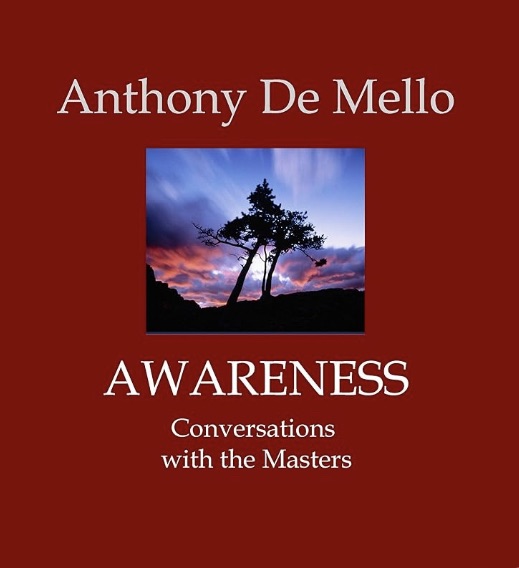
    This book came to me via an interview I did for the blog that will be dropping later this month. It’s a life changer… the kind of book you buy in bulk and try to force on everyone you love. Published posthumously, it is a compilation of wisdom teachings presented by Anthony de Mello, a Jesuit priest and psychoanalyst, who describes a paradise on earth, waiting inside each of us, just beyond the reach of our conceptualized world and the limitations of language, out beyond the boundaries of our egos and all our charitable good works (a more refined ego construct).

    Awareness shows a way to wake up from the modern day miasma, an all consuming mass illusion that keeps us trapped in a hamster wheel of self absorption and unhappiness, derived from a short term self soothing dopamine cycle that breeds a disquiet we’ve acclimated to through a lifetime of conditioning.

    De Mello asks us to kill our expectations, to remain open, and to detach from our desires.

    Awareness leaves readers with a series of excellent prompts but the real work comes after the close of the book. De Mello’s message is a little like “trying to capture the feel of the ocean in a bucket of water.” Its a beginning. It starts in awareness. You cannot strive for the world he describes or, he cautions, it will elude you. It begins with a willingness to sit in the present and observe the majesty that is the reality hidden beneath the ego and its self serving thought stream, it glimmers only in the present, turning to dust in a mind that travels to the past or the future.

    He coaches the reader to watch everything within you and around you as if it were happening to someone else. He counsels that real happiness resides in you and no where else, in no thing, in no other person.

    De Mello’s book is a call to awaken from a world in which we are dying of spirtual thirst surrounded by a sea of fresh water, living in a world filled with joy and happiness and love, but brainwashed, hynotized and sirened to sleep, trained not to see what is all around us.

    Awareness is by far the most important, insightful and funny rendering of the truth of the universe that I have found in a decade of searching. I cannot recommend this book highly enough not only for how powerfully it could impact our lives individually but also what it might mean for an awakening world. 15/10

  • In Conversation with (Iwona) Maria Kubacki

    I first met Maria Kubacki when we were still teenagers.  She was a friend of my brother’s… think artsy, intellectual, an outsider, by choice or design. Recently arrived home to Saint John from a Toronto private school, she was the iconic, underground campus ‘it’ girl, a ‘Lit chick’- all cat’s eye eyeliner, black tights, and arthouse lipstick.  She was clever and cool, straight out of a Sally Rooney novel, this quixotic mix of edge and vulnerability that was foreign and familiar all at once.  Her style acumen was just the pretty wing man for her real talent, an unpretentious academic mind, a well-spoken confidence, and a reverence for the written word.

    Fast forward 40 years, Maria, a fellow little old lady in waiting (possibly in denial) forwarded her initial remarks with a disclaimer: “I’m a little embarrassed and intimidated by this. I don’t want people to think, ‘who does she think she is?’ I have no particular accomplishments. I’m just answering these questions as a fellow little old lady in waiting who is in the thick of middle age and thinking about how to make the most of the last third of life.” This same little old lady in waiting, earned a Master of Arts degree in English Literature and has worked as a book reviewer and freelance writer as well as an associate editor, and editor.  Currently she lives and works in Ottawa as a communications manager for the federal government. She took up writing fiction a few years ago and has published her short stories.  She is married to a lovely man named Ken and has two twenty-something children, Jane, and Mike. She sidesteps the 7-sentence limit of the first interview question so adeptly, using a series of semi-colons, dashes, and ellipses, that I had to allow it. Maria Kubacki is still very clever…and cool, maybe even more so as a little old lady…in waiting.
    Tell me your life story in seven sentences or less? 

    I was born in Warsaw, came to Canada when I was 4 ½, lived in Quebec City briefly and grew up in Bathurst in the 70s, where we were one of the few immigrant families, but it was pretty idyllic …double-dutch in the street with my friends, summers at Youghall Beach. I went to high school at a girls’ boarding school in Toronto where I was more focused on smoking, drinking and New Wave music and fashion than on my education, and where I started going by my middle name, Maria, instead of Iwona (my actual first name, pronounced Ee-vohn-ah and mangled by nearly everyone because of the “w”), or Yvonne (what everyone called me in Bathurst because it’s the French version of Iwona) – it was fairly common back then for immigrants to change their names to something easier for Canadians to pronounce, but it was weird and embarrassing to me to have all these names, and sometimes still is, as my parents, Polish family and friends still call me Iwona (or Iwcia, the diminutive, pronounced Eef-cha)…Bathurst friends and some cousins call me Yvonne, and everyone else calls me Maria.

    I never knew what I wanted to be when I grew up, but I loved reading – my parents were and still are big readers so we always had lots of books in the house, and also I learned English the summer I turned 9 from a British family from the Isle of Man who had all kinds of children’s classics all over their house, the Narnia series and that sort of thing – so I ended up getting a BA and then MA in English at UNB.

    I was quite lost in my twenties and dragged my MA on for many more years than I care to admit, but during that time I started doing freelance writing as a way to earn a bit of money and avoid my thesis – art reviews for a magazine called Arts Atlantic, and book reviews for the Telegraph Journal, which eventually led to a job as associate editor and then editor of the New Brunswick Reader, the Telegraph’s weekend magazine.

    I got married and had my two kids in Saint John before moving to Ottawa where we have lived for 22 years and where I wrote for the Ottawa Citizen and worked as a writer/editor at what was then Canwest News service (now Postmedia).

    For the last 16 years I have been working as a communications manager for the federal government and recently I started writing and publishing fiction, which I had never even thought about doing until I turned 50.

    What is the best thing about getting older?

    People always say things like not caring what others think anymore, or not sweating the small stuff. Sadly, I still sweat the small, medium, and large stuff – I sweat all of it. I haven’t yet reached the part of getting older where you’re relaxed and just flowing and enjoying life. I’m still in the thick of it – middle age, work, responsibilities. I think the “best thing about getting older” hasn’t come yet, or maybe I’m just doing it all wrong.

    What is the worst thing about getting older?

    Becoming set in your ways and more reluctant to try new things, acting and thinking like you are even older than you are. You’re drunk and high a lot more when you’re young, maybe that’s why you’re more open to new experiences then.  Children are like that naturally…they’ll be friends with anyone, they’ll try new things, and as we age, we tend to stick to what’s familiar, what we know we will like, people like us etc. Our world can get smaller and smaller.

    If you could retain or retrieve one quality from your youth, what would it be?

    Being open to life, people, and experiences.

    What’s the most important lesson you’ve learned so far?

    Children and dogs have it all figured out – be in the moment, and enjoy every little thing, every day. Our beloved golden doodle, Tippy, who we had to put down a few years ago, was still chasing rabbits, making new friends, and wagging her tail the night she died.

    Do you have a favourite quote?

    Does anyone actually have a favourite quote or do they just Google “famous quotes” when asked? I don’t have one off the top of my head, but whenever I see one from the Stoics, it resonates – like the Marcus Aurelius one at the top of your blog, which I love and need to meditate on every day, because I don’t think I am living my life this way now: “Think of yourself as dead. You have lived your life. Now, take what’s left and live it properly.”  I have lived a pretty cautious, small life. My anxiety, a lifelong affliction, has always held me back in life, even when I was younger. I would like to become a more fearless or at least less fearful person. Do more, see more, travel more. One of the reasons that it’s fun to read and write is that we all only have one life to live, and we have to make choices, and for some of us fear holds us back, but through writing and reading we can vicariously live many lives. 

    Do you have a favourite word?

    ‘Actually‘ – with index finger held up, because I’m a bit of a know-it-all, as my family and friends will tell you. One anecdote: on a family trip to Florida we took a drive through a ritzy area in St. Petersburg where there were big mansions…so we’re driving around  and all having a nice time, and we drive by this house that has these ornate pillars and my sister-in-law says ‘oh look, there are statues of dolphins on them’ and I was trying to fight the reflex and telling myself, ‘don’t do it’  and then it just came out, ‘Actually, I think they’re manatees.’ Everyone just rolled their eyes at me but they actually were manatees! It’s become part of the family narrative. 

    Describe your perfect day.

    Any day when I’m on a beach anywhere, in almost any weather, or just somewhere near the ocean or near water. It could be Venice, or Seven Mile Beach in Grand Cayman, or Bar Harbor, Maine. Or Brackley Beach in PEI, Sandbanks Provincial Park, Saints Rest in Saint John.  I think it connects back to happy memories of growing up in the Maritimes, spending a lot of time at Youghall Beach in Bathurst every summer throughout childhood and my teen years, and then living in Saint John for many years going to places like Cape Spencer, the Irving Nature Park, St. Martin’s.  I guess to me water also feels very open to possibility.  I think I like imagining what’s on the other side of the ocean. I also love the feeling of being on the water, I love kayaking… it’s just very freeing. 

    If you could have tea with anyone, real or fictional, dead or alive, who would it be and what would you talk about?

    I know people often say Jane Austen, Shakespeare, or Churchill but I can read them, no need to have tea with them. I love Jane Austen, but I think she would be really catty and judgmental in real life – I would be afraid of her. Maybe hanging out with Churchill while he sat around in his pink satin undies and robe while drinking and trying to figure out how to defeat Hitler might have been cool. But I think what I would really like is to have tea with both my grandmothers, although separately. I would ask them about their lives in Poland. My mother’s mother had a farm outside Warsaw and raised 5 children during the Second World War. She was not educated but was very smart, wise, funny, kind, and resourceful. She was milking the cows at like 4 am, made all the kids’ clothes by hand…during the war, German soldiers took over their farm and the kids all had scarlet fever as well …and somehow, she managed to keep everyone alive. And found time to make beautiful hand-embroidered tablecloths.

    My father’s mother was very ahead of her time.  She went to medical school in the 1920s when there was a “numerus clausus” – a quota that only allowed 10 % of the students to be women, and she was smart and tough enough to be one of the 10%. She did a PhD and was a specialist in internal medicine. She also loved to travel and trying new foods and was sporty and adventurous – she would rent scooters for her, my dad and his brother and they would all go adventuring together.

    Tell me three things that bring you joy.

    My family and friends. Walking/hiking/kayaking. Travelling almost anywhere, whether it’s a day trip near Ottawa, a road trip to New York or New England, or Europe. I’m going to cheat and list way more things because many things bring me joy. Going to museums, big or small, almost anywhere. Cappuccinos and spritzes. Chocolate. Music. Going to movies at the Bytowne, our local rep cinema. Conversations about life with my kids, Jane, and Mike. Family dinners with the kids and my parents. Rewatching favourite movies and TV shows with my husband, Ken – Remains of the Day being the movie we rewatch most often, because it’s perfect in almost every way – from the writing and the acting to the period costumes and interiors and the incredibly sad but beautiful score.  Ken and I also like making up our own words to songs and making ourselves laugh. Sometimes we also meow songs – we don’t remember why we started doing that, but I think it was when our kids were little, but anyway it makes us laugh. It’s not possible to list just 3 things.

    Name a guilty pleasure.

    Taking a day off just for myself to do whatever I want. Or years ago, when my kids were little, Ken and I would sometimes take an afternoon off work to go to a movie just the two of us.

    Do you believe in life after death? What does it look like?

    I don’t really think about it. It’s probably just oblivion – we probably just get reabsorbed into whatever the universe is made of…ashes to ashes, dust to dust. But if there was some kind of life after death, it would be nice if it were an eternal sleep where we dream forever and get to be with everyone we loved and experience everything we ever wanted to but did not get to experience in life. In this eternal dreamworld I hope I get to fly, and look down over the earth, like Google Street view, but better.

    What would you like your eulogy to say?

    I guess my kids would be writing my eulogy. I hope they say I was a decent human being who taught them to be decent people. I think they might say that I gave unsolicited advice very freely, but I hope they feel that sometimes it was good advice. I hope they also remember our Amazing Race-style family trips where I made them see and do everything, even if we were exhausted and our feet were sore from walking 20,000 steps a day.

  • The Reading Room – Issue 2

    “If a book is well written I always find it too short.”

    Jane Austen

    A book review is a highly subjective exercise and so, in the interest of full disclosure, as a Little Old Lady in Waiting, I know you won’t be surprised when I tell you that I like little old lady subjects and settings. I like my people past their prime and living by the sea or someplace equally sublime. I like subtle, nuanced, tender narratives with a philosophical bent and characters who feel like friends I’d like to know. People who have lost important relationships and parts of themselves, and know its possible to keep on existing…people who understand that ghosts are real…people who have paid a price for their place in the story. Layer in fresh, visceral language that routinely makes you stop to reread or recalibrate your breathing and I’ll stay with you untill the very end, and when it’s over, I’ll take a little piece of you with me.

    The rating system I assign is roughly as follows:

    10/10 – The illusive unicorn. “Your heart understood mine”

    9/10 – I loved this book, it changed me in some way

    8/10 – Great read. I’m still thinking about it

    7/10 – A good read. I’d pass it to a friend

    6/10 – Adequate I suppose

    5/10 – Flawed in some subtle but no less dissapointing way

    4/10 – Major story flaw (cardboard characters, poor pace, sledghammer story-craft)

    3/10 – The author has failed the reader, the editor should be escorted from the building

    2/10 – No… just no

    1/10 – I will never get those hours back


    I have long admired the personal and professional life of Agatha Christie. I’m a fan. I’ll read anything about her work and career and so when I discovered The Christie Affair in a used book store it was a little like finding a thrift-store cashmere cardi in a colour that suits. The Christie Affair is Nina de Gramont’s first novel and takes as its subject the eleven days that Christie went missing and the marital discord that immediately proceeds it. In the novel, Chistie’s husband, Archie, is conducting an affair with a younger, Irish woman named Nan O’Dea who reads like Saoirse Ronan from the film Brooklyn , a clever compassionate character that carries the story in many ways, and has a compelling back story of her own. The book becomes a multi layered mystery to be solved, complete with a war weary police detective, a tragic love story, and a satisfying tale of revenge. I loved the characters, the post war UK setting and the glimpse into Christie’s private world. 7/10

    There was a lot of buzz about this book on social media and a sequel already in print, so I picked up a copy of this novella for a vacation read. It’s marketed as a transformation story of a young woman who drops out of her life and spends a year reading in the cramped upstairs quarters of a family run second-hand bookstore. A perfect story premise for a bookish woman of any age. Set in Tokyo, the heroine of the book is a love spurned 25 year old named Takako, a non-reader, immersed in a hip deep depression post a humiliating break up, when she accepts the invitation of her eccentric uncle to live and work at the Morisaki bookstore. This is Yagisawa’s debut novel and it did not deliver on any level. The characters are unsympathetic, the story line is non existent, even the theme, ostensibly the joy of reading as a transformative experience is poorly executed. The most generous thing I could write is that any merit or charm Yagisawa may have conjured in his original work is wholly lost in translation. 1/10

    Peggy is the fictionalized portrait of Peggy Guggenheim, American heiress, art collector and feminist icon who begins life as a New York debutant and becames embroiled in the bohemian Paris of the 1920s, dallying with the likes of James Joyce, Emma Goldman and Samual Beckett. Peggy, begun by Rebecca Godfrey who passed away in 2022, was finished by the author’s good friend, Leslie Jamison and in some ways the story does feel like two separate books. The heiress is portrayed as a poor little rich girl who suffers the loss of a beloved father who goes down with the Titanic, a dear sister who dies in childbirth, and a son lost via a dissolved marriage with an abusive, parasitic poet. She is snubbed by an anti-semetic society as a Jewess, and ridiculed in the boheniam art world as little more than “a wallet.’ Despite her millions she has the reader’s sympathy as an intelligent, philanthropic outsider with a keen understanding and appreciation of the post war modern art movement. This fictional biography is an interesting look into the elite world of early 20th Century New York aristocracy as well as post WWI Paris and the intellectuals who mingled there and became known as the lost generation. 6/10

    Depressed mid 40’s academic, Phoebe Stone, distraught after her husband leaves her for another woman, her career stalling, her geriatric cat found dead at home, decides to treat herself to an expensive evening gown and a posh holdiay at a decadent hotel, all with the intention of killing herself. A dark tale indeed, except Espach’s voice is so intelligent and noir comic that the reader tags along despite the downer of our heroine’s final destination. Enter the wedding people who descend on the hotel as the only other guests and, despite their annoying, narcissistic and waspish ways, they ineveitable disarm, distract, and detour our hero’s journey. The setting, Newport, Rhode Island, is a charming backdrop to Espach’s first novel, but the real winner is her smart heroine whose thoughts, suicidal and otherwise are always authentic and relatable and rife with literary references that appeal to readers who are fans of the Brontes and Virginia Woolff. A great book to pass to a friend with a Litt degree and an appetite for a dark night of the soul. 7/10

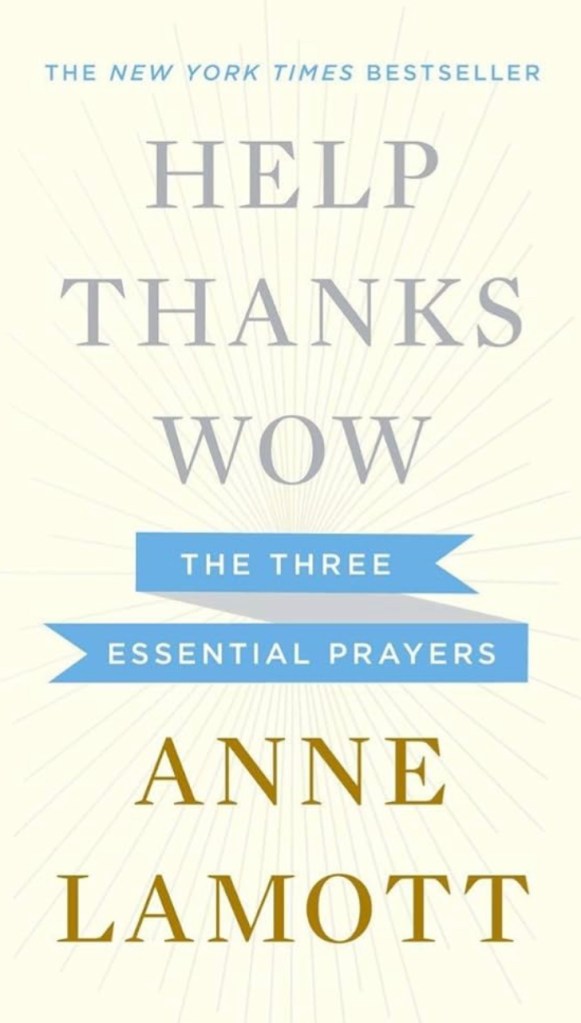
    Anne Lamott’s book, Help Thanks Wow is a call to prayer as well as a prayer tutorial for the uninitiated and the out of touch. It is a book about gratitude and finding perspective and it is an invitation to cultivate a state of wonderment. Lamott’s simple, comical and self deprecating style could charm even the most determinined non-believer. She keeps it simple, three one word prayers to recite, to hold fast through the tough times, and to stay mindful and intentional through the mundane everyday; to look for the good, and experience all the beauty that lies in wait for us if only we have the eyes to see it. I found Lamott’s style and non-denominational approach inviting and pragmatic. She didnt alienate her readers with old fashioned God talk, “asking an invisible old man to intervene.” She understands there are no words for the ‘broken hearts of people losing people’; there is no fixing the unfixable. But prayer as a spiritual experience, a one word incantation that helps you become more generous, more patient, more kind to yourself and others, there surely can be no harm in such a practice. I loved Lamott’s comical, tender, and real life prayer book, made for misfit souls of all ages. 7/10

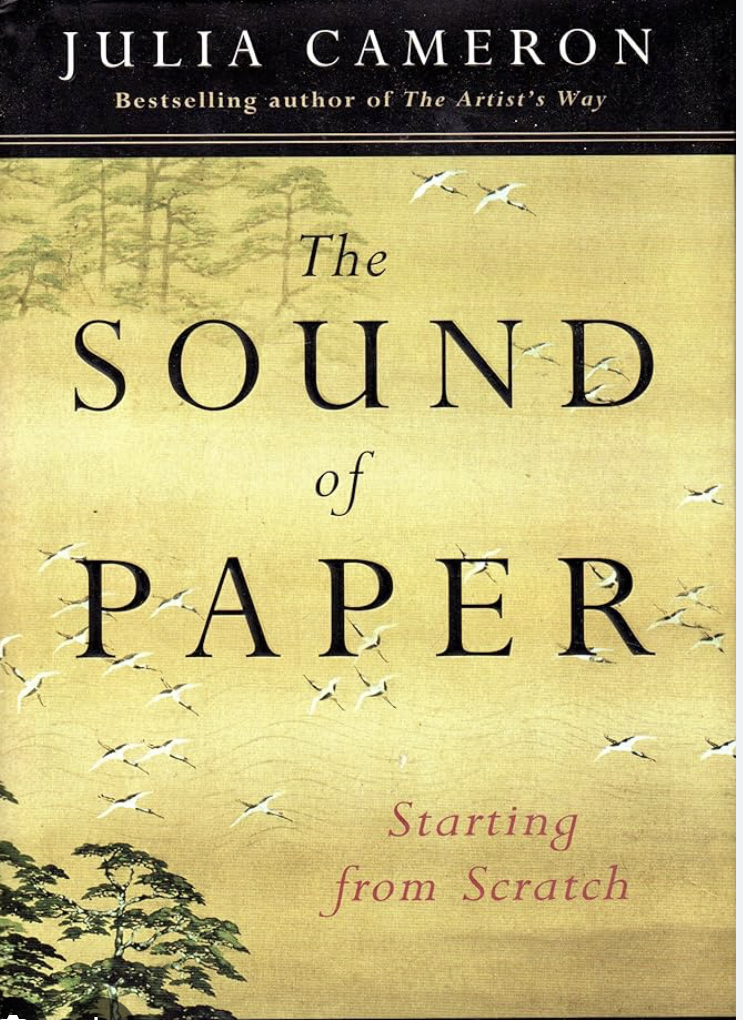
    Julia Cameron, best known for her book , The Artist’s Way, delivers a comparable artistic toolbox for writers who work with story craft, routinely tackling the often intimidating blank page to create meaning and art. The Sound of Paper is essentially a workbook with a series of exercises and disciplines designed to open the creative narrative approach, so often stymied by a writers own critical voice, that values product over process and atacks fledgling writing projects before they’ve had a chance to mature. Cameron’s writing drills are designed to explore and develop your authentic voice, to place emphasis away from a perfect script, with a series of self care indulgences that cultivate a safe space for creative work, and structured play projects designed to reignite a love of writing. Daily rituals include walking, and morning pages, and being open to the idea of working poorly, breaking free of the ego’s need to be brilliant, and instead contenting ourselves to being functioning wordsmiths, with the freedom to embrace new forms. This is a perfect gift for any writer looking to learn or advance her craft. 8/10

    Emilia Hart’s Weyward, chronicles the lives of three Weyward witches, separated by generations but related by blood; the three principle characters include , Altha, on trial for witchcraft in the 16th Century, Violet, at the mercy of an opportunistic father and an unscrupulous suiter in the 1940s, and Kate, the victim of present day domestic violence. Their stories highlight a history of patriarchy and misogeny that targets powerful women and condemns or attempts to harness that power. I’ve always enjoyed a good witch story, ever since I watched Bell Book and Candle with Kim Novak and Jimmy Stewart. The Weyward witches are more like botanists with animal familiars, less broomsticks and incantations. The book is at its best drawing attention to the understated, undocumented power that exists between women, “the most feared…and the most potentially transforming force on the planet.” The story’s pace is a little slow moving in the first half, and the book reads a bit like three separate novellas with tie-ins too carelessly woven, and coming too near the book’s close. I have read better witcherature and while Hart’s story gets a passing grade, it didnt put a spell on me. 6/10

    I read this book several years ago but as it is always on my night stand and as I am continuously rereading passages, a review seems in order. I have recommended this book to many, many friends, particularly those who have experienced their first ‘shot across the bow’, a personal health scare, and have come face to face with their own mortality. If I still have the capacity to read and understand this book’s ancient teachings as I lay dying, this will be the last book I hold . I take great comfort in its thesis that what we are has no beginning and no end…what was never born may never truly die. I can hear the critique of my scientific rationalist friends prpeparing their remarks as I write, but the little old lady that waits in me, made peace with Pascal’s wager decades ago.

    I Am That was first published in 1973 and is a collection of teachings from the great Hindu spirtitual teacher and seer, Nisargadatta Maharaj. This book takes its title from the Upanishads and delves into who we reallly are, “nothing perceivable, or imaginable,” and is a guidebook to cultivate an awareness of our natural state. Topics include acceptance, the way through pain, a ‘do no harm’ discipline and is a call to “wake up” from the daydream that enchants us. Reading this book is like donning a cloak of grace or a cape that insulates us from fear of death. I cannot recommend it highly enough, particularly for readers who have received a disappointing diagnosis and believe their time is finite. 9/10

  • The Reading Room

    ‘The best moments in reading are when you come across something – a thought, a feeling, a way of looking at things – which you had thought special and particular to you. Now here it is, set down by someone else, a person you have never met, someone even who is long dead. And it is as if a hand has come out and taken yours.’ – Alan Bennett


    ‘The first thing that reading teaches us is how to be alone.’ – Jonathon Franzen

    Author’s Note

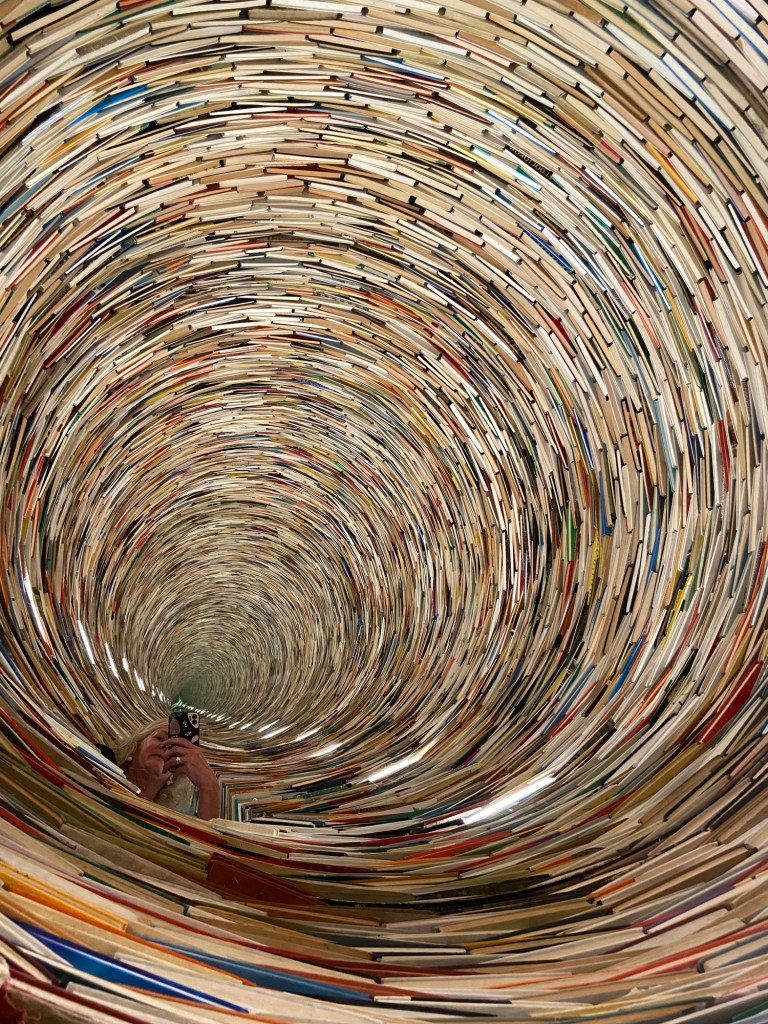
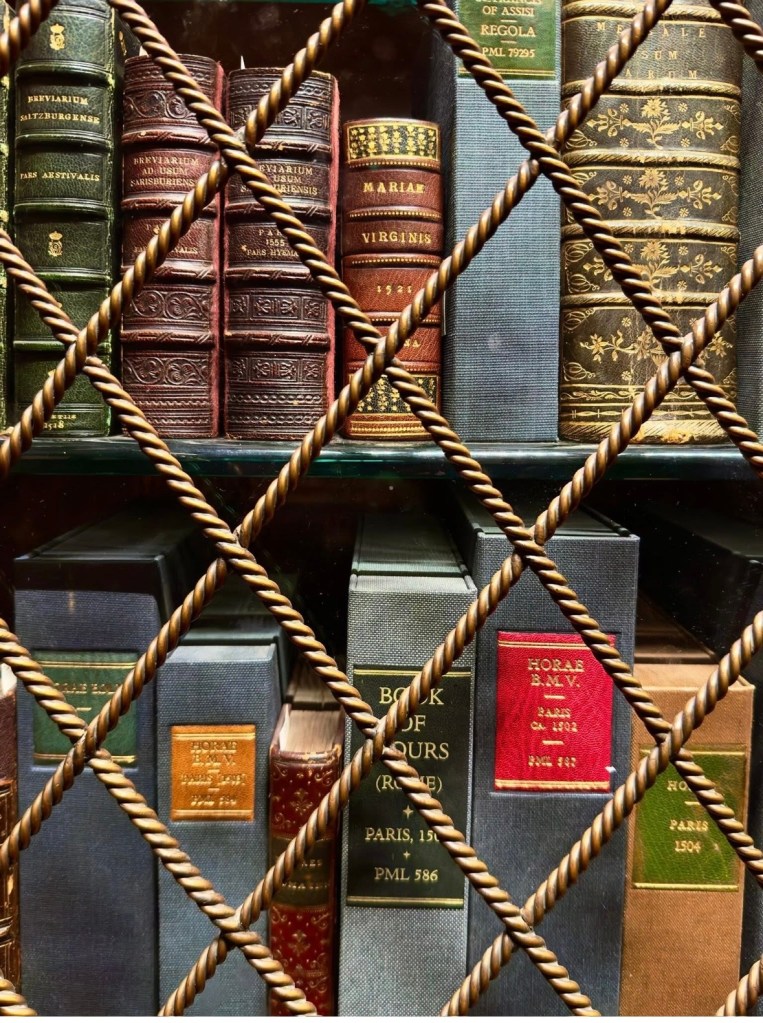
    I have an insatiable appetite for story.  Books – their bindings, the cover art, their texture, and deckled edge… even their smell and, most especially, the marks and notes left by other readers – everything about them appeals to me.  I maintain a small library at home, I get uneasy when my TBR pile runs low, and have even planned trips around famous bookstores and libraries.  I felt teary the first time I entered the iconic Strand Books in NYC; I needed a moment to myself in the reading room of the Boston Public Library, and I could probably write a short story about my visit to The Bodleian in Oxford or Shakespeare and Company Bookstore in Paris. There is a small town in Wales, Hay-on Why, known as the ‘town of books’ due to its many bookstores, and I hope to visit it next summer with an oversized empty suitcase to celebrate my 60th birthday. 

    Perhaps my love of reading stems from a lonely adolescence, or maybe it has more to do with what I consider to be my best and worst quality…curiosity;  but I’m never happier than when I’m settling into someone else’s narrative.  For me, every book I open feels like a clue to the secret of ‘Life, the Universe, and Everything.’  Books find their way to me or I to them, often by happenstance, and seemingly at the exact time I am most ready to receive them. Others sit in small dusty piles in every conceivable corner of my home, waiting for the right moment to renew our acquaintance. I plan to spend an unhealthy percentage of the life hours I have left, turning pages, devouring stories and exploring answers to questions that greater minds than mine have plumbed. To that end I present to you The Reading Room, a new blog series showcasing a smattering of books, earnestly read, and scantily reviewed by a  Little Old Lady in waiting.


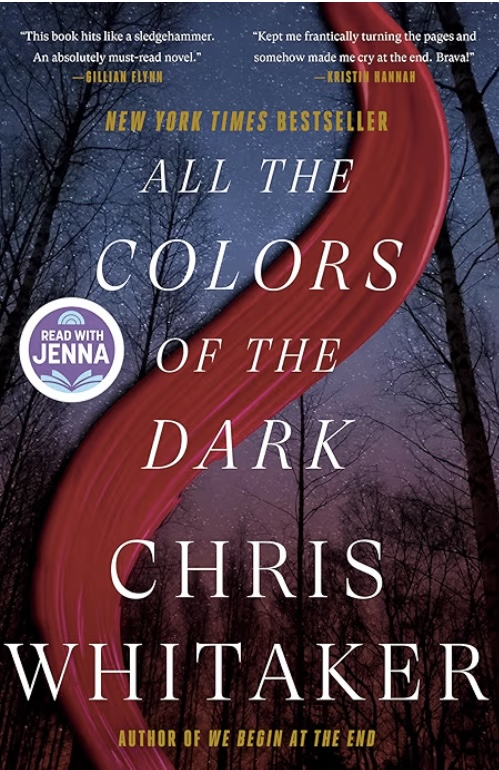
    All The Colours of the Dark is marketed as a thriller, a prosaic airport page-turner, but it did not hold me in suspense.  Set in the 1970’s, it’s the story of a traumatic childhood event and a lifelong hunt for a serial killer.  Although the book disappoints as a would-be whodunit, it is far more interesting as a study of the enduring bonds of childhood friendship, and the dialectic between good and evil inside each one of us, setting the reader up for an interesting examination of what exactly goes into the making of a hero/villain.  The book meanders down paths it need not have taken and does not satisfactorily resolve, but it includes characters that I will remember long after the close of the story including a career alcoholic and art dealer who had me hanging on his every word.  For him alone I give Whitaker – 7/10

    Easily one of the most enjoyable reads for me so far this year, Strout is a favourite author, and her story, set in a small town in Maine, is peopled with well-developed characters from previous books including Olive Kitteridge, Lucy Barton and Bob Burgess. Ostensibly the plot revolves around a murder investigation, but the book is really about the ordinary everyday events that make up a life and the stories we tell each other in quiet asides, on walks or with cups of tea in conversation with the company of people we call our own.  Strout can tell me everything and anything she chooses.  Her novels are packed with the kind of true to life details that strike at the heart of all good narrative and readers can’t help but pull up close to her stories and sit a spell. – 9/10

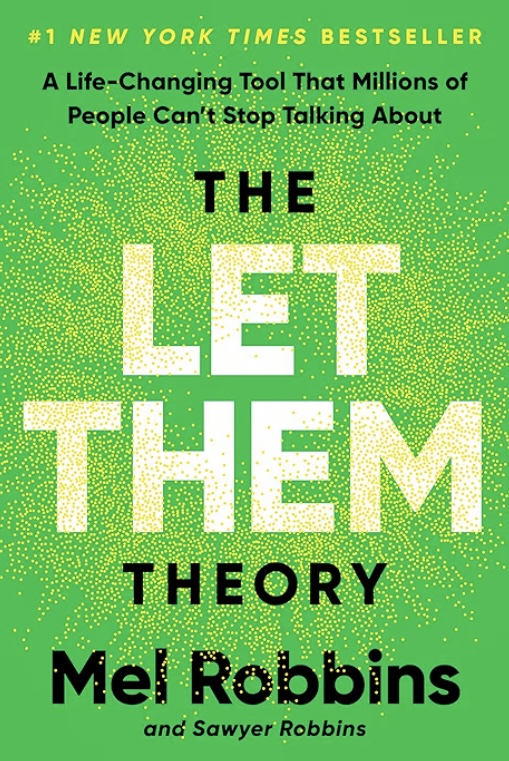
    My daughter passed me this book and while it is not my preferred genre the buzz on my socials piqued my curiosity. In summary, the book is a highly accessible, basic retelling of some ancient wisdom remarketed for the modern-day attention span. A reworking of Stoicism 101 or the Buddhist practice of detachment, the book’s easily digestible maxims, ‘Let them’ and ‘let me’ stuck with me and made their way into my everyday life, at work, and at home with my adult children.  Every time my inner control freak was tempted to interfere in matters outside my sphere of influence, I recited her magic words and presto my life became a lot let stressful. ‘Let Them’ gives you permission to stop trying to steer anyone else’s course but your own…marvellously freeing.

    Robins also plies her tools to romantic relationships and reading those chapters I couldn’t help but wish I’d had access to this wisdom in my early to mid-twenties before I learned how to believe people when their actions showed me who they were. Acceptance of what ‘is’ is a liberating experience, and Robbin’s book is a powerful tool for reclaiming your own power, directing your energy to the only thing any of us can control, our own words and actions. – 7/10

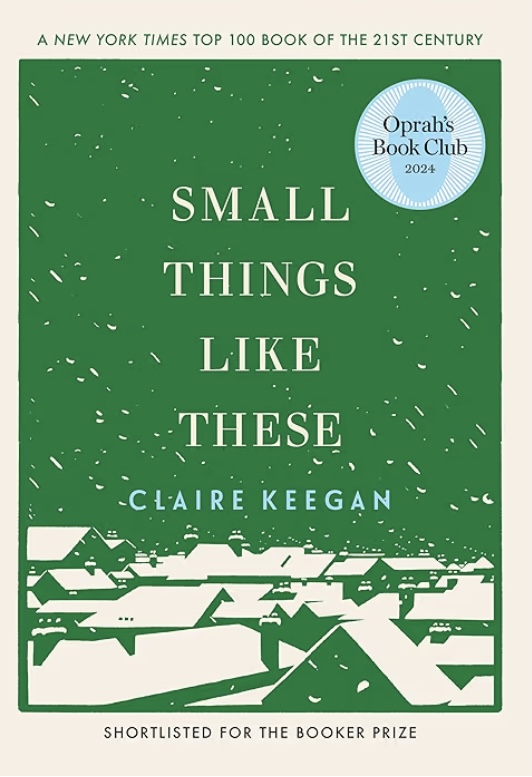
    Small Things Like These is the first book I have read by Claire Keegan, but it will not be my last.   The slender novella has been made into a film starring my current cinematic crush, Cillian Murphy.  Set in 1980s Ireland, Keegan looks at her country’s relatively recent history of housing unwed mothers in laundry workhouses, run by the Catholic Church, where young women were physically and emotionally abused and forced to live in squalor. The protagonist, Bill Furlong (Cillian), is a compassionate and virtuous man who must decide between doing the right thing and risking almost certain formidable consequences for his family. The story line is compelling, but the party piece of the book is Keegans’ evocative, lyrical language that grounds the reader in a kind of cultural cellar transporting us to a dark, cold, shameful place where ‘so many things had a way of looking finer, when they were not so close’  –  9/10

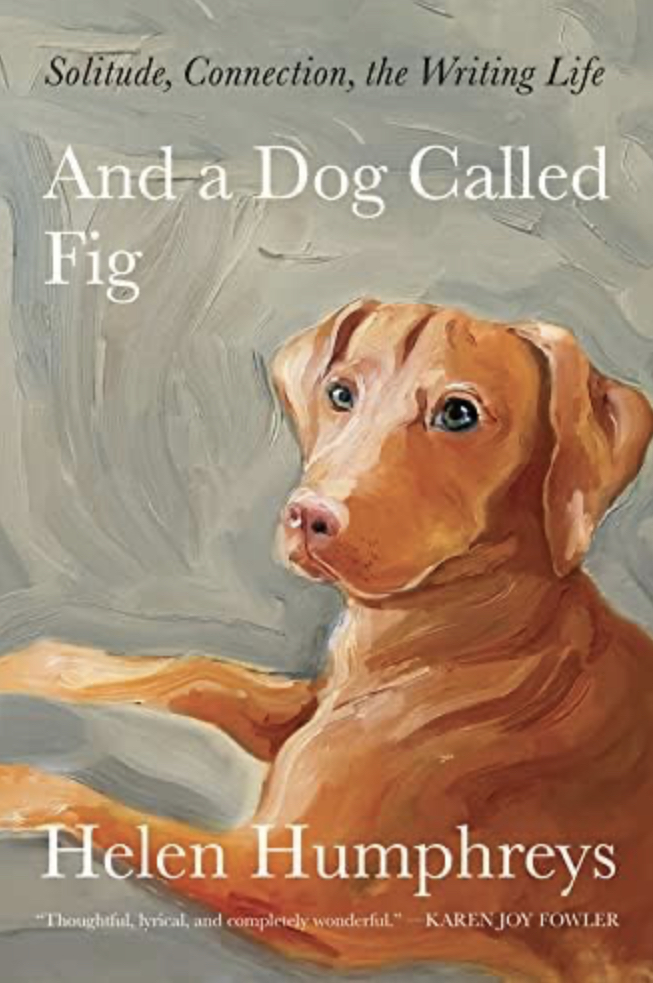
    Helen Humphries is another favourite writer.  She could probably write about the head of a pencil and make it compelling for me. So, when I pick up one of her books and read that it’s about dogs and writing, it’s kind of a perfect day in the making.  The book chronicles the first several months of life with a new puppy as experienced by Humphries,  herself a little old lady in waiting, and the story chapters are configured around the writing process with a few nods to other famous writers and their canine companions.   Somehow the story falls short and, for me, I’m pretty sure it has more to do with the author’s nonfiction competence as compared with her narrative voice which never fails to hit the high notes.  I was a little bored inside her dog-eared story.  – 6/10

    Bletchley code breakers, Prince Philip as a young lover – The Rose Code is set in WWII Britain in a time when women were liberated from their homes and allowed to be active members of society, and  brilliant women were needed for the war effort.  The whole book was like a large piece of decadent cake with a nice cup of tea.  Throw in an asylum, a betrayal, and a story told in reverse and Quinn delivers another delicious read where smart girls showcase their grit, and live happily ever after, even without their prince.  A lovely few hours leisure – 7/10

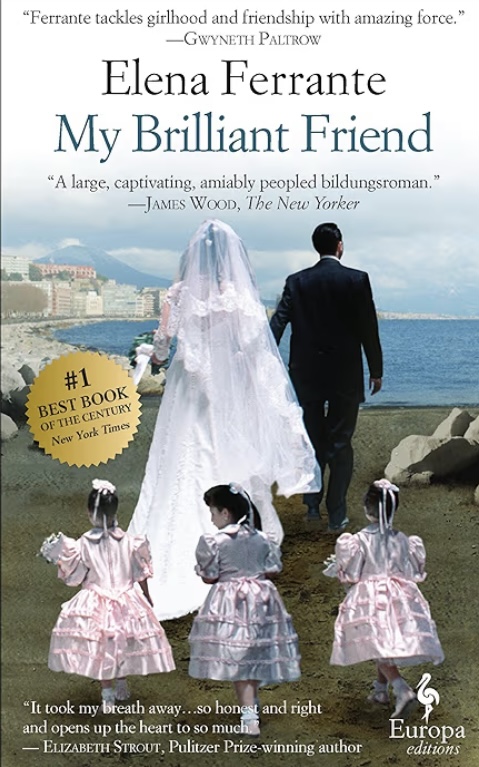
    This title is the first in a series of 4 books that chronicles a lifelong friendship between two brilliant women who grow up in Naples between the wars in an Italian ghetto where access to education is a rare privilege that only one of them is afforded.  Their lives cross back and forth across socio-economic lines and class distinctions in a gripping tale of survival and emancipation as each woman finds her strength and eventual escape from a world they have each outgrown.  The book begins and ends in mystery.  The story is atmospheric and dynamic and beautifully written with a special focus on the hard-won independence of Italian women in the 60’s and 70’s.  I don’t know which of the two friends I admired most in Ferrante’s story, but I highly recommend the books to anyone who understands the joy of forgetting you are reading, so fully immersed in the lives of the characters that you are virtually transported to their world. – 9/10

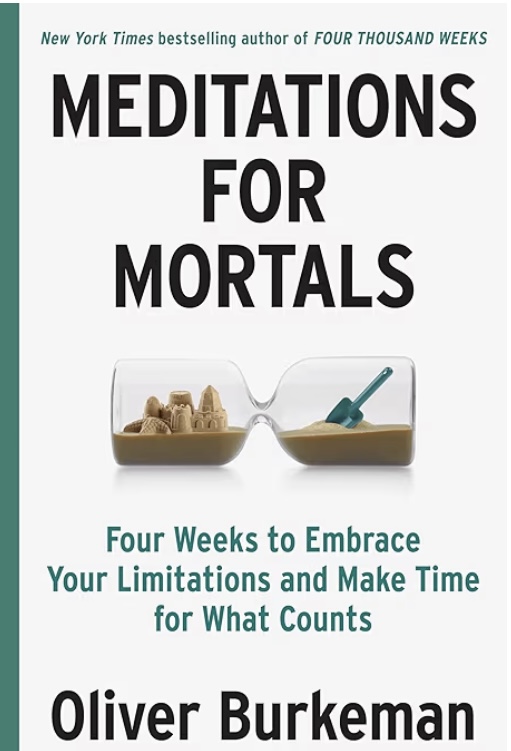
    This book is a sequel or companion book, to Burkeman’s previous bestseller, Four Thousand Weeks.  Both books, I strongly suggest, are worth your finite time.  Comparable to The Subtle Art of Not Giving a F*ck, Burkeman, previously a popular Guardian columnist, reads a bit more existential and cerebral and aims less for efficiency and more for enchantment.  His book helped me enormously in coming to terms with the fact that life is unfolding right now…not later when I’m more prepared or when I’ve completed X,Y and Z on my must do list.  Immersing yourself in Meditations for Mortals is a bit like going on retreat. It’s a reawakening, and a memento mori that none of us are getting out of here alive, especially we little old ladies in waiting whose book might more aptly be titled, One Thousand Weeks.  Thumbs way up on this one – 9/10

    Note bene

    If you have any book suggestions please leave a comment. I would be thrilled to know what you are reading 📚.